Pinkishe Foundation

31/10/2026
Dr. Shehla Jamal

If your period used to come every 30 days and now comes every 26, you are not alone. From the mid 30s, many women notice their cycle getting a little shorter. This is common and usually normal.
The main reason is that the ovaries slowly hold fewer eggs as we get older. This is a natural part of ageing. It is the early part of a long, slow change that ends, many years later, in menopause.
A menstrual cycle has two halves.
As the number of eggs goes down, the brain sends a stronger signal to the ovaries to grow an egg. The egg then gets ready sooner. So ovulation comes earlier, the first half of the cycle gets shorter, and your period arrives a few days sooner than before.
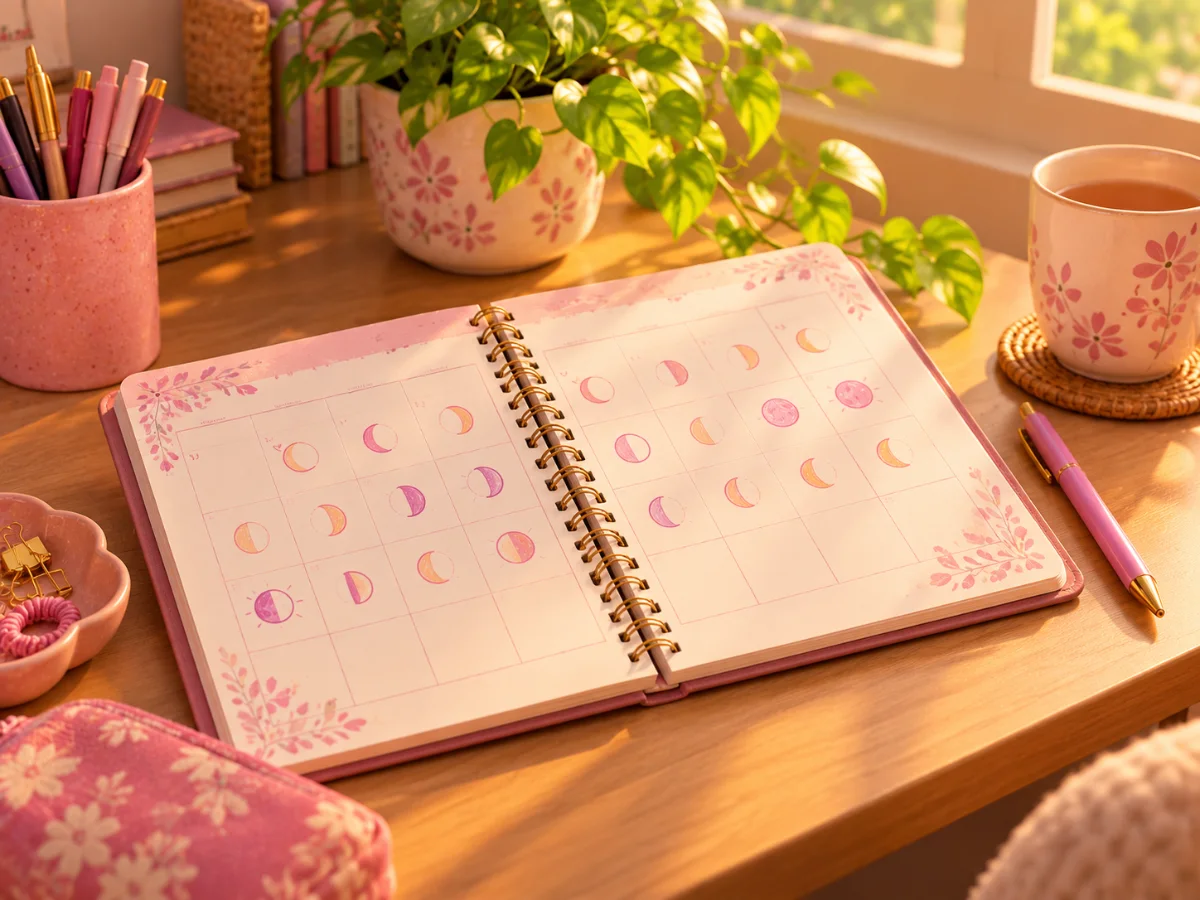
For adults, a cycle of 21 to 35 days is normal. It is counted from the first day of one period to the first day of the next. A change of a few days, or a cycle that moves from 30 days to 26, is usually nothing to worry about.
Your period will also start on a different date each month. That is because most cycles are not the same length as a calendar month. If your cycle is 26 days long, your period will come a few days earlier in the month each time.
Some women find their periods get lighter. Others find them heavier. A small change is common. A big change in flow is worth a check-up, because it can have a cause that is easy to treat.
Mood changes, bloating and sore breasts before a period can feel stronger than they did in your 20s.
Now and then a cycle may come early or late. One odd cycle is common. A pattern that keeps changing is worth noting down and showing to a doctor.
Age is not the only reason a cycle changes. Other common causes are:
Fertility starts to drop from the mid 30s, and more quickly in the late 30s. A shorter cycle on its own does not mean you cannot get pregnant. But if you are trying for a baby, it is wise to see a doctor early rather than wait. Doctors usually suggest a check-up after 12 months of trying if you are under 35, after 6 months if you are 35 or older, and sooner if your cycles are irregular or you are 40 or older.
Note the first day of each period, how many days you bleed and how heavy it is. After a few months you will see your own pattern, and it will be easier to spot a change. Our period and ovulation calculator can help. Take your notes along when you see a doctor.
Have a question about your changing cycle? Call our menstrual helpline on 85888 70999. It answers at any hour.
A simple printable sheet that marks your period days, your fertile window and your ovulation day. We will email it to you now.
We will send the tracker and a few gentle menstrual health emails from Khyati at Pinkishe. No spam, unsubscribe any time.
Prefer to work out your dates now? Open the free ovulation calculatorA change of a few days is common. Stress, illness, travel, poor sleep or a change in weight can shift ovulation, and with it your period. A 31-day cycle is still normal. If your cycle keeps changing a lot, or falls outside 21 to 35 days, see a doctor.
Yes. From the mid 30s the ovaries hold fewer eggs, and many women find their cycle gets a little shorter. Flow and premenstrual symptoms can change too. Most of these changes are normal.
Most cycles are not the same length as a calendar month. If your cycle is 26 days long, your period will start a few days earlier in the month each time. Stress, illness and travel can also move it.
Yes. An overactive or underactive thyroid can make periods come sooner or later, and heavier or lighter. A simple blood test can check this. See a doctor if your cycle changes a lot, or if you also feel very tired, too hot or too cold, or notice a change in weight.
In your mid 30s, a slightly shorter cycle is usually the slow, natural ageing of the ovaries, and menopause is still years away. The years just before menopause usually begin in the 40s. If your periods stop before 40, see a doctor.
Yes. A shorter cycle does not stop you getting pregnant, and no day of the cycle is fully safe. If you do not want a baby, talk to a doctor about contraception. If you are trying for a baby and are 35 or older, see a doctor after 6 months of trying.
From the mid 30s, many women find their periods come a few days sooner, because the ovaries hold fewer eggs. This is common and usually normal. See a doctor if your cycle is often shorter than 21 days, you bleed between periods or after sex, or your periods become much heavier.
Pinkishe Foundation is a specialist implementation organisation for menstrual health. We deliver, reliably, in schools and communities across India. Support our work with a donation.
₹1,100 gives one girl a year. Donations are eligible for deduction under Section 80G.