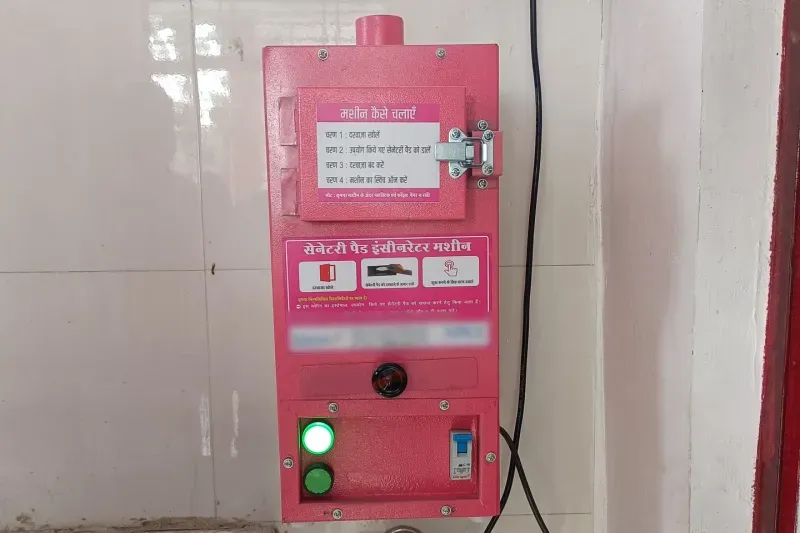
Since 2017, in government schools and communities across India. Here is what changed, in their words and in our numbers.
As of 30 September 2026 · since 2017 · about 90,000 girls and women a year
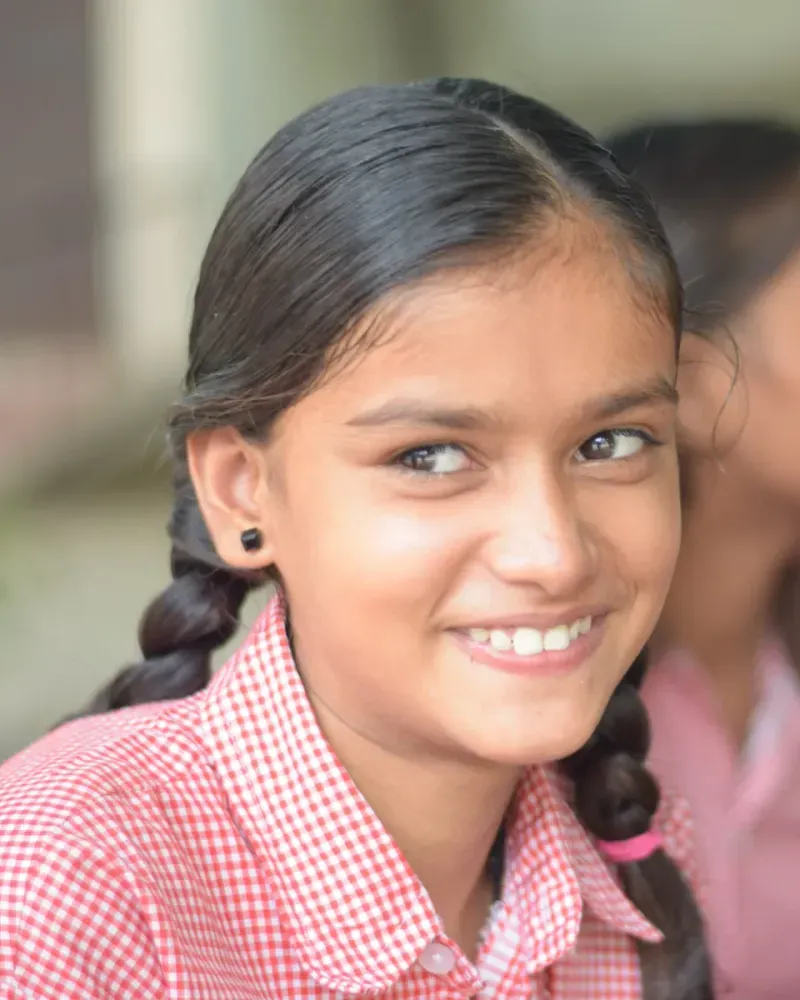
Name changed and photo representative, to protect her privacy.
We had to use cloth during our periods… for drying we had to hide it somewhere for no one to see… now we don't have to hide anything.
Priya, in her own words
Nari Samman, with Indus Towers, ran in 210 government schools. At the end of the year, we asked the girls again.
85%
now know more about managing their periods
81%
feel more confident managing their periods
78%
now dispose of used pads safely
What girls told us at the end of Nari Samman.
Grey: baseline, Pinkishe's own baseline survey, 267 girls in three districts. Pink: endline, Pinkishe's own endline survey, 260 girls in Udham Singh Nagar, Sakti and Adilabad, February and March 2026. Scores out of 10.
Survey
Group discussions
School check
Four more results
76%
manage their periods more independently
75%
use safer menstrual products
64%
have fewer menstrual health concerns
52%
teach their friends about menstrual hygiene
The Pinkishe Menstrual Health Index is our own index, designed by our team. Girls answer a questionnaire covering 48 indicators across eight parts of menstrual health. Each part is scored out of 10, and together they make the index.
Survey: girls in classes 6 to 12, chosen by random sampling. Group discussions: to hear what numbers alone cannot say. School check: machines, toilets, water and disposal, seen on site.
The same tools are used before the project, midway and at the end, unchanged and in the same districts. That is what makes the before and after fair.
These are what girls tell us, not clinical measurements.
62%
of girls report better school attendance
“The attendance level of the girls has increased. In many schools we have clearly seen the results.”
Shri Rajarshi Shah, IAS, District Collector, Adilabad, Telangana
Recorded in Adilabad in May 2026, where we ran Nari Samman with Indus Towers.
Watch the full, unedited interview →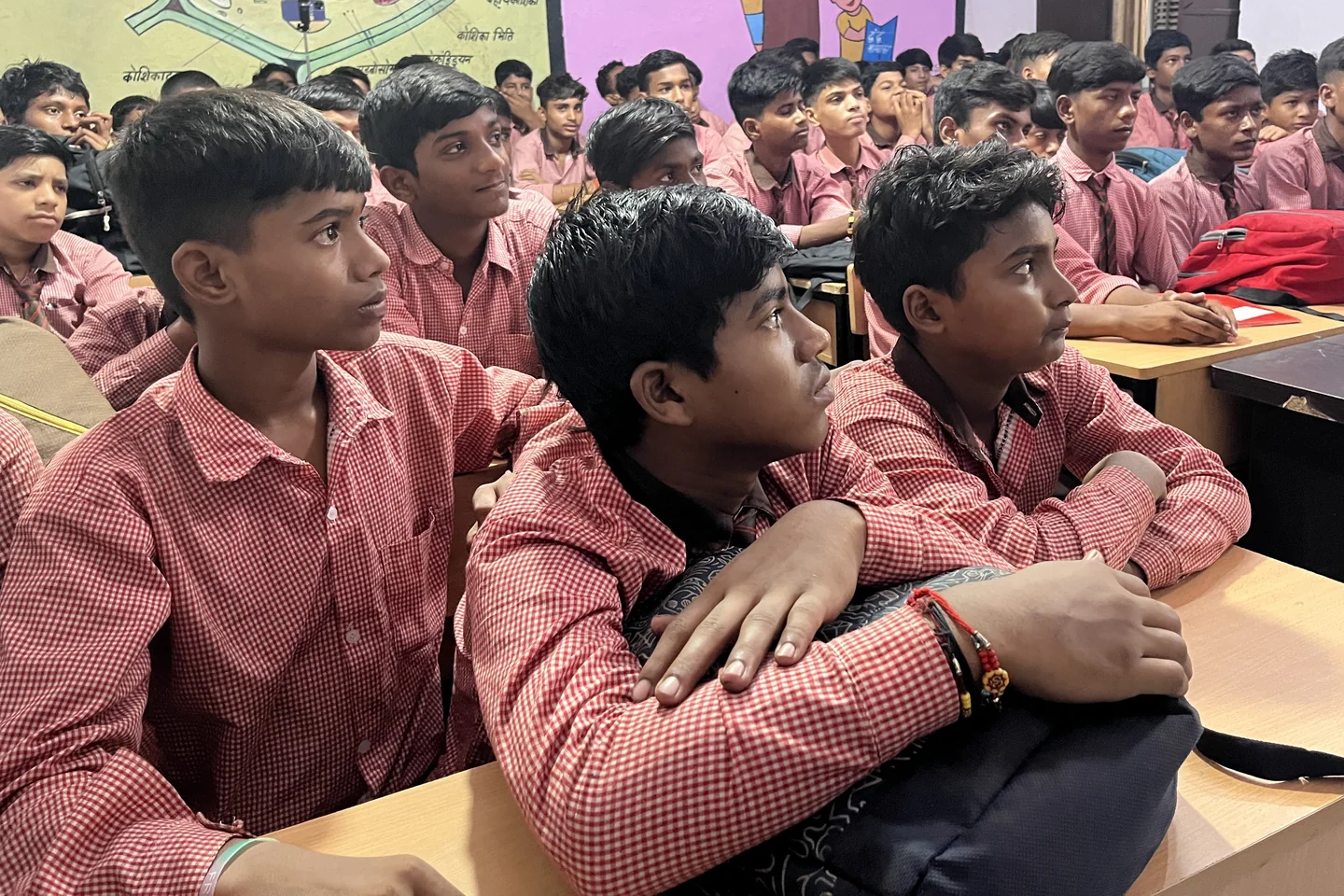
The girls told us the boys and men around them became more involved in menstrual health. Our classes were for girls, but 100 nukkad nataks in Udham Singh Nagar also reached 6,729 boys and men. Imagine what happens when we work with boys in every school.
35%
of girls say boys and men are now more involved
52,365
men and boys reached in our programmes so far, counted separately from girls and women
Boys are never taught about periods, yet we expect them to grow into understanding husbands and fathers. Teaching them is fair to them, to the girls around them, and to the families they will build.
Want boys included in your school programme? Talk to us →Three stories from our programmes, told in full.
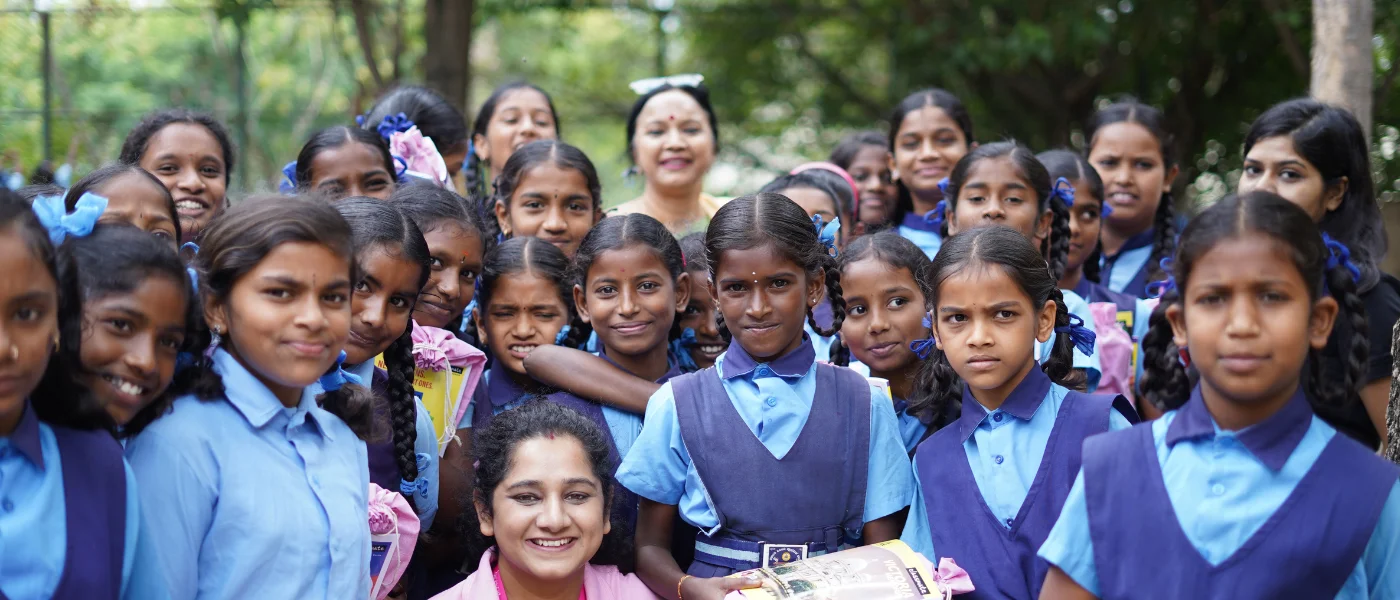
School attendance
One of more than 4,500 girls reached in Varanasi and Ahmedabad.
Read the story →
Safe disposal
Used pads in a school washroom showed us the missing link: safe disposal.
Read the story →
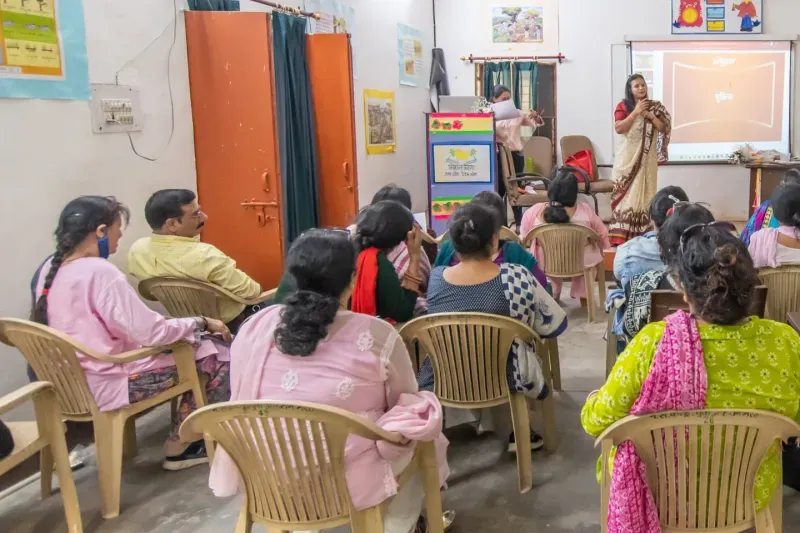
Teachers
Aarti once sent a girl home over a blood stain. Then her school joined our training.
Read the story →
Classes in schools and communities, machines and plays, and people trained to keep the work going.
6,519
menstrual health classes
1,025
pad vending machines installed
2,568
schools reached
6,230
teachers and Saarthis trained
3,490
ASHA and Anganwadi workers trained
855
nukkad nataks (street plays) performed
Girls and women supported, village and town
55%
rural, 4,66,428
45%
urban, 3,74,793
Free products given
Disposable sanitary pads
76,61,461
Reusable cloth pads
1,62,487
Menstrual cups
1,025
As of 30 September 2026, since 2017.
Every state we have worked in since 2017, with what we have done there.
We prioritise India's aspirational districts, where the need is greatest, and we work wherever a partner wants to make a difference.
Nearly a decade of breaking the silence. Then the Supreme Court of India recognised menstrual health as part of every girl's right to life.
2017
Before Padman reached cinemas, very few people in India were speaking about periods.
2017 to 2025
With a small number of other organisations, we spent nearly a decade making periods a normal conversation: training educators, reaching schools and communities, and making the issue visible. People we trained now run menstrual health work of their own.
30 January 2026 · The Supreme Court
In Dr Jaya Thakur v Government of India, the Supreme Court recognised menstrual health under Article 21 of the Constitution. For girls in classes 6 to 12, it directed free products, vending machines, safe disposal, education, teacher training and an inspection every year.
1 September 2026
The same bench set the standard for pads as compostable products meeting ISO 17088 read with IS 5405, directed states towards reusable cups, period panties and reusable napkins, and ordered surprise inspections. States must now report their gaps, not their achievements.
2026 onwards
A right on paper is only the beginning. Now every government school must reliably give every girl good-quality pads, safe disposal, usable toilets and the knowledge she needs, with boys and men part of it too. That is the work Shakti Shala was built for.
The case was brought by its petitioner, and many people pushed for this change. We are proud to have been part of the movement that made it possible.
See Shakti Shala →Our journey →
The Court's orders are summarised here in plain words. Last reviewed: October 2026.
Every project's figures sit inside the totals at the top of this page, never beside them.
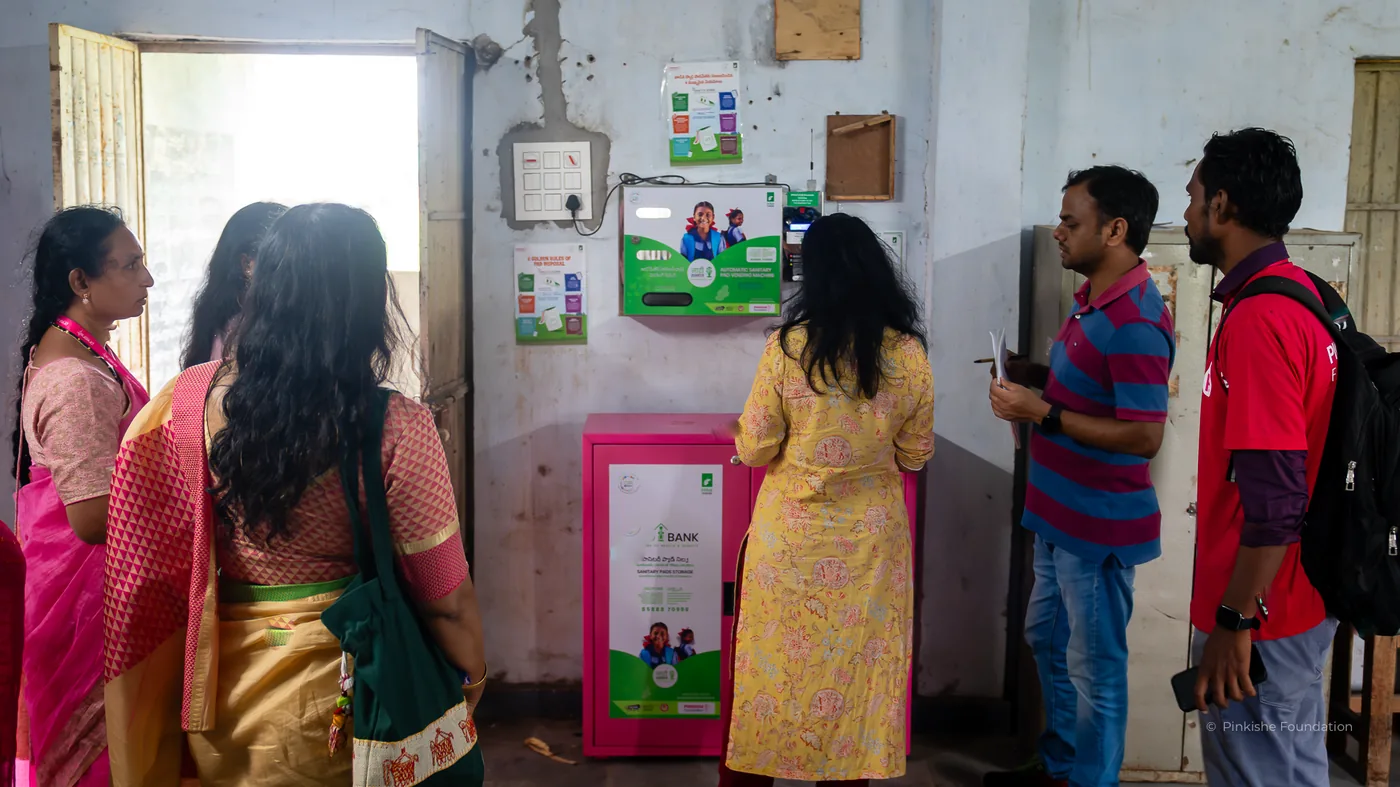
Target 63,000 girls; reached 67,946 (108%), and 76,515 women in the community, in five districts across three states. Monitored by Grant Thornton Bharat and Sattva Consulting, appointed by Indus Towers.
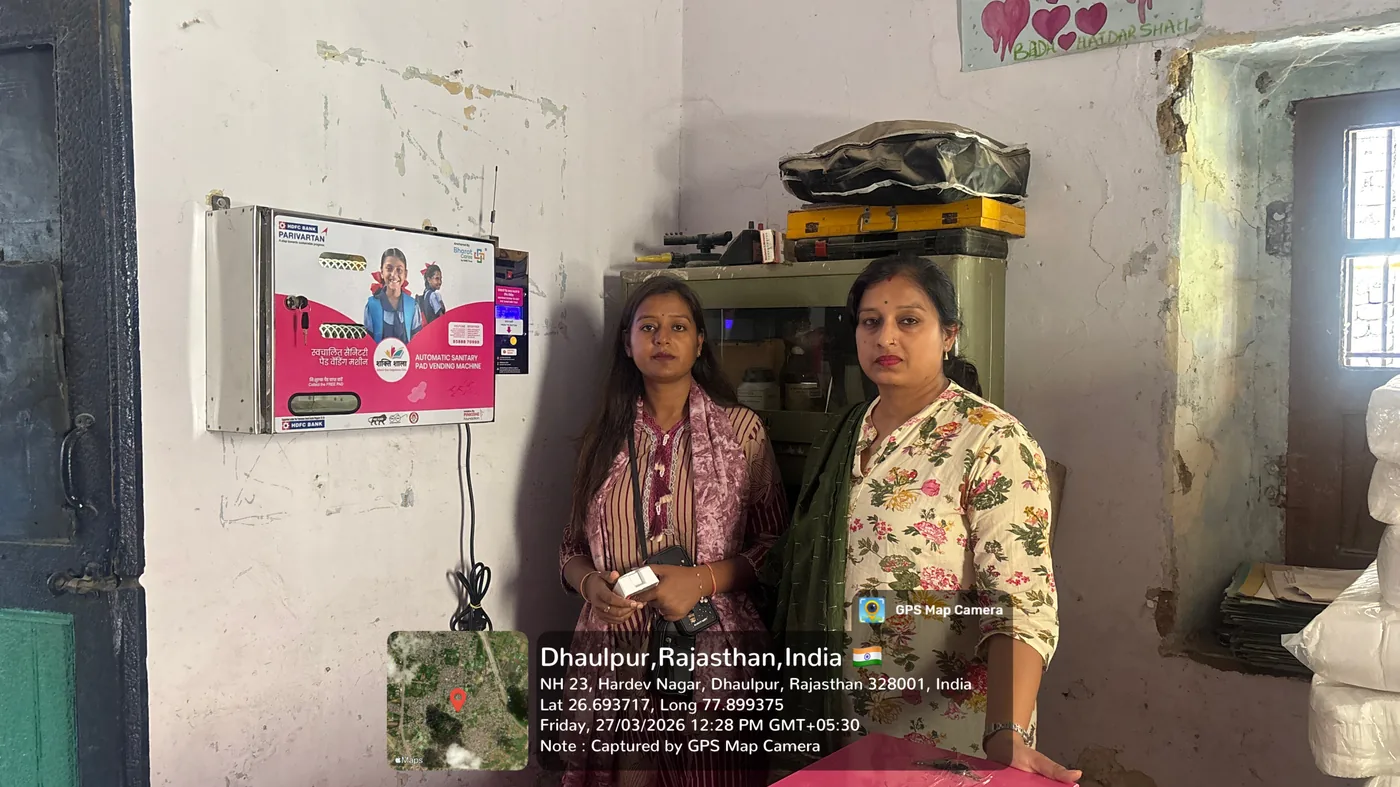
A pad vending machine in each of 35 schools, a year of pad supply, and training for the Saarthis. Monitored by BharatCares.

About 40,000 girls across four districts of Uttar Pradesh, reached through nukkad nataks and free sanitary pads.
The people who fund and review our work, in their own words.
“The organisation is led by a small team of passionate and committed individuals with high principles… I will never miss an opportunity to work with Pinkishe in the years to come.”
Rwitama Khastagir
Senior Associate, Impact Delivery, Give Grants
“We have greatly appreciated the quality and sincerity with which they do their work. They are fully accountable as partners, reporting in a timely manner and responsive.”
Kathy Walkling
Co-founder, Eco Femme
Since 2017, every girl, every pad and every class is counted by one rule.
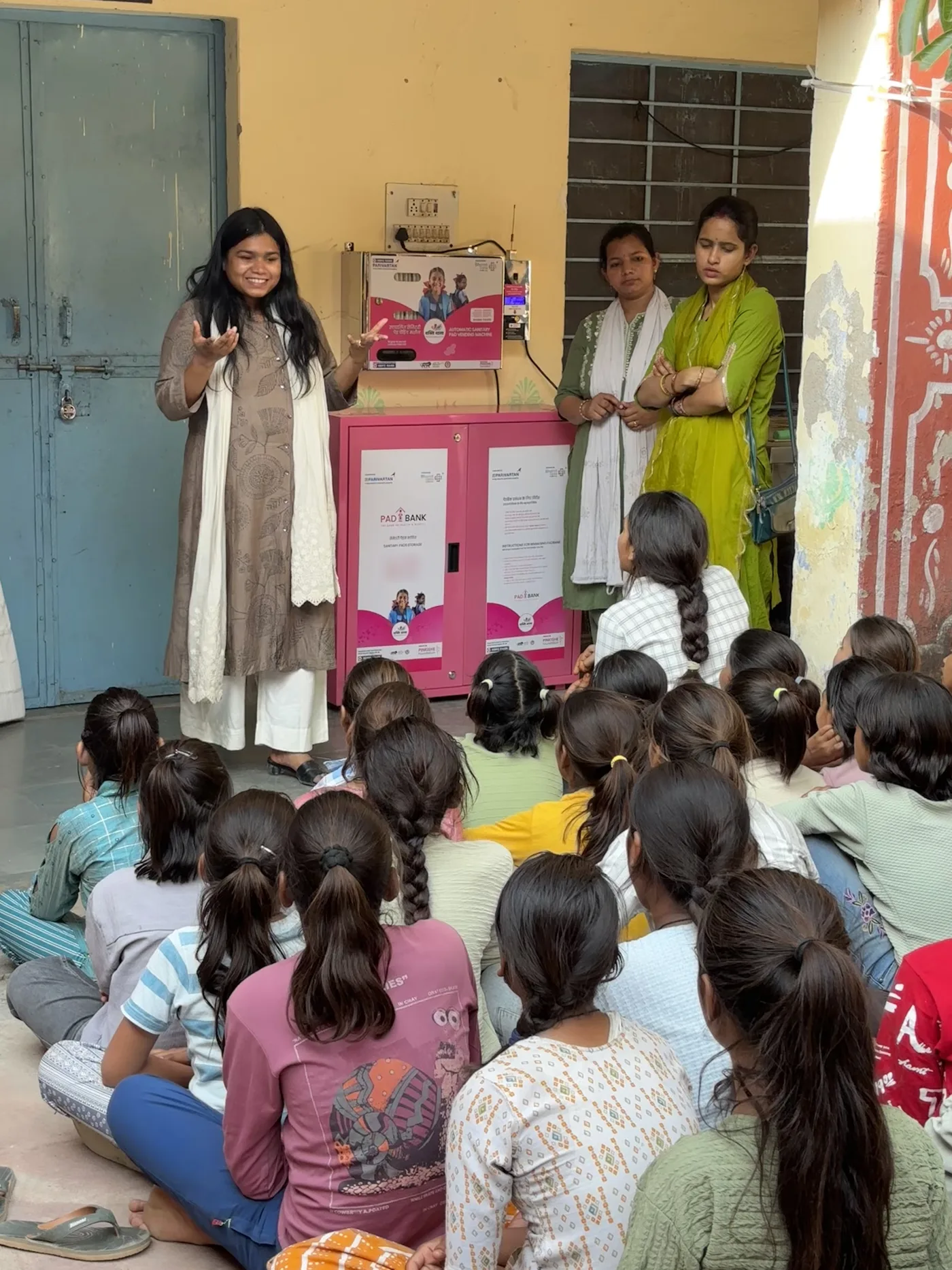
Manager, Measurement, Evaluation and Learning (MEL)
“My job is to make sure every number on this page is checked. But numbers are only half of it. We ask girls before a project starts and again at the end, and the difference is the change you see on this page.”
Our measurement system was designed by our President, Arun Gupta, who was an Associate Director at Dell Perot Systems, heading its Quantitative Management work, before he joined the social sector.
Measure before we begin
Count every session, the same day
Find the few causes
Fix, then check again
Measure before we begin: before a project starts, we ask girls about their periods, their school and the products they use, through a survey and group discussions.
Count every session, the same day: every session is uploaded the same day, with attendance, photos and feedback. School machines are tracked live on a dashboard, with an alert when one runs low.
Find the few causes: we look for the few problems behind most of the gaps, and fix those first.
Fix, then check again: we change the plan, then measure again in exactly the same way.
Our baseline found school machines broken or locked away within months. So in the Nari Samman schools, we added refill alerts, a live dashboard, and trained Saarthis and School Sakhis.
From the first meeting to the closing report, you see what we see.
Checked before you sign
A baseline, sized to you
Every session on record
A live tracker
Monthly and quarterly reviews
Endline and closure report
Audited accounts, every year
Independent social impact assessment, every year
Administration 4.28% of expenses, FY 2025-26
Our accounts are audited by Chandni Taneja and Company. In FY 2025-26, 4.28 per cent of our total expenses went on administration.
Every year, a registered social impact assessor, independent of Pinkishe, assesses our work under SEBI's Social Stock Exchange rules. Reports are shared on request.
Our school projects are monitored by partners appointed by the funder: Grant Thornton Bharat and Sattva Consulting for Nari Samman, and BharatCares for Dholpur.
All of this can be shaped to your own reporting format.
Governance and trust · Evidence and reports · Request the due-diligence pack
Individual donors from all over India keep PadBank, our community work, going. Many give every month.
For five years, one donor has sent us around 100 sanitary pads every single month.
They prefer to stay anonymous. We are deeply grateful.
To everyone who gives, once or every month: thank you.
₹1,100 covers one girl's menstrual protection, education and support for a year.
From ₹2.2 lakh a school a year, for one school, a district, or every school in it.
The papers your committee will ask for, in one place.
₹1,100 covers one girl's menstrual protection, education and support for a year. Your donation supports PadBank, where Pinkishe began, and is eligible for deduction under Section 80G.
Each person is counted once in each number. Someone appears in two numbers only for two different reasons: for example, a schoolgirl who joins a class, and later trains as a School Sakhi. Classes are counted per class.
We give sanitary pads, reusable cloth pads, menstrual cups and period panties, chosen to suit each community.
Pad vending machines installed: every machine we have installed since 2017, counted once. Most are in schools; a few are in colleges, offices and communities.
Schools reached: every school where we have run at least one menstrual health class or installed a pad vending machine since 2017, counted once.
Teachers and Saarthis trained: every teacher and Saarthi we have trained since 2017, each counted once in this number.
ASHA and Anganwadi workers trained: every ASHA and Anganwadi worker we have trained since 2017, each counted once in this number.
Nukkad nataks: one natak is one performance of a street play, whatever the size of the audience.
Men and boys reached: every man and boy who has joined a menstrual health class with us, a session at our menstrual education van, or one of our nukkad nataks, since 2017, each counted once. They are counted separately, never inside the girls and women supported.
Rural and urban: villages are rural; towns and cities are urban, by where we reached each girl or woman. This is our own grouping, not an official census category.
Sources: totals and state figures are from Pinkishe's own records, as of 30 September 2026. The Index and girls' results are from Pinkishe's own baseline and endline surveys in the Nari Samman project; they are what girls tell us, not clinical measurements. Map data: DataMeet India community, CC BY 4.0.
Last reviewed: October 2026
Tell us your priorities and the places you care about.
Partner with usRequest the due-diligence packOr write to info@pinkishe.org