We deliver, reliably, in schools and communities across India.
Pinkishe’s work since 2017, all programmes and partners together. As of 30 September 2026.
Why partner with us
Easy to approve, delivered as planned, reported live, and ready for your board and auditors.
Since January 2026, menstrual health is every girl’s right.
Among the directions issued were:
Free sanitary napkins within girls’ reach, ideally from vending machines near toilets.
Environmentally compliant disposal, in line with the Solid Waste Management Rules.
Menstrual education in the curriculum, taught by teachers trained to deliver it.
District Education Officers inspect facilities, products, disposal and awareness, ideally yearly.
Our school work already covers several of these areas. For a CSR team, the judgment makes clear what a school programme must include.
On 30 January 2026 the Supreme Court held menstrual health to be part of the right to life under Article 21, and issued detailed directions for schools. India has reached a point where the standards are becoming clear. We have spent nine years building much of what is now being asked for.
Free sanitary napkins made readily accessible to girls in schools, preferably through vending machines near toilet premises or through designated access points.
Environmentally compliant disposal, in line with the applicable Solid Waste Management Rules.
Menstrual education in the curriculum, with teachers trained to deliver it.
District Education Officers conducting periodic inspections, preferably once a year, covering facilities, product access, disposal and menstrual health awareness.
On 1 September 2026 the same bench went further: products should now be compostable, meeting ISO 17088 read with IS 5405; states were directed towards reusable options such as cups, period panties and reusable napkins; and surprise inspections were ordered.











More than fifty organisations have funded Pinkishe Foundation.
Who have given sanitary pads for our work.
Pads without education or monitoring rarely last. Every Shakti Shala district project puts all three layers in place. A partner may also fund one part.
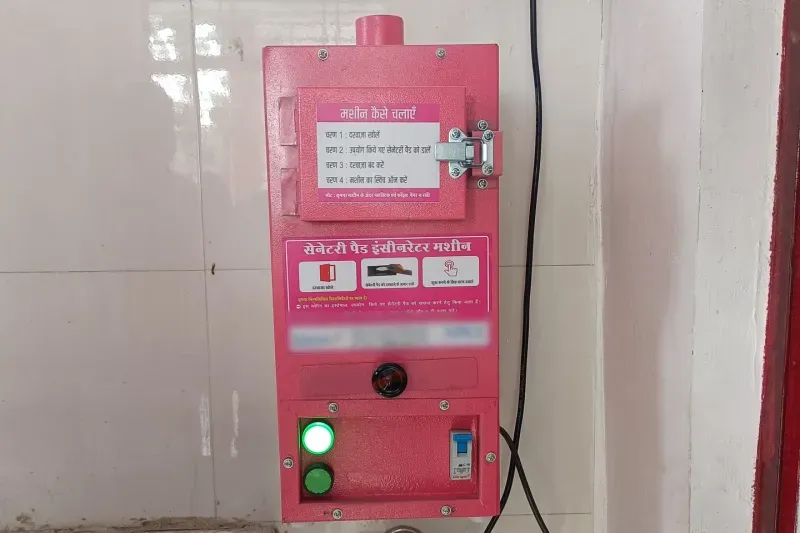
IoT-enabled vending machines, pad storage cupboards for emergency access, and disposal bins, installed in every school in the project.
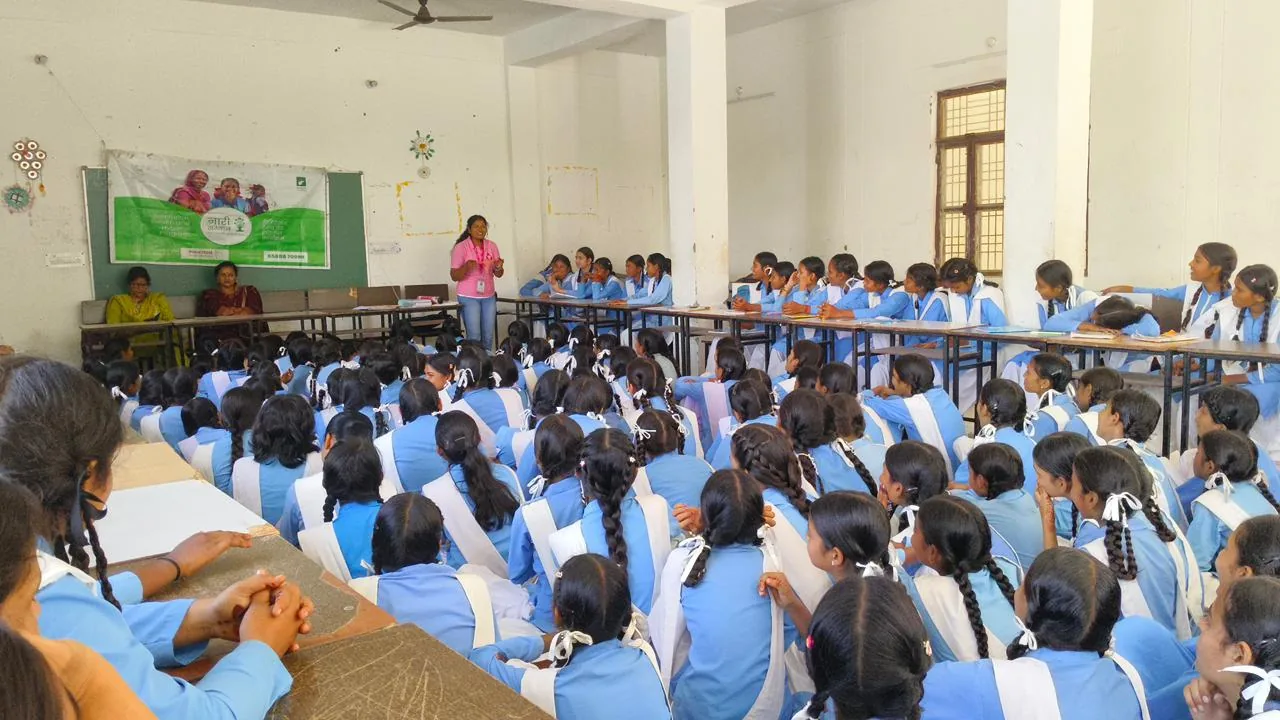
Sessions for schoolgirls and community women, boys’ orientation, trained nodal teachers and Sakhi peer champions inside each school.
Dashboard tracking, refill monitoring, field visits, helpline support, and baseline and endline assessment, so you can see whether it held.
Not a proposal. A completed programme, with figures from project records and the live dashboard.
A Shakti Shala project with Indus Towers, in government schools in Telangana, Chhattisgarh and Uttarakhand. Completed in March 2026.
Every school’s machine reports into the live dashboard. The pads figure is its August 2026 reading.
Monitoring partners: monitored by third-party partners appointed by Indus Towers: Grant Thornton Bharat and Sattva Consulting.
Teachers, students and the Pinkishe and Indus Towers teams at a government school in Adilabad district, Telangana.
Stories
Three stories from schools and communities where we deliver.
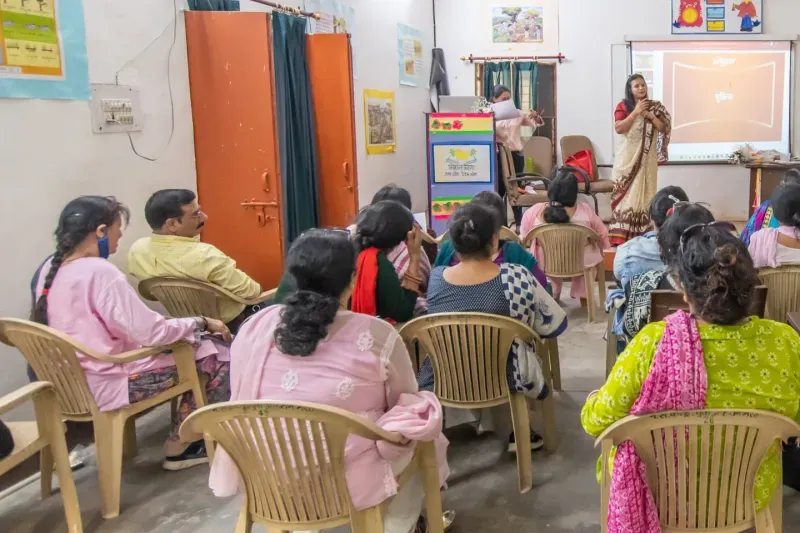
Teachers
Aarti once sent a girl home over a blood stain. Then her school joined our training.
Read the story →
Safe disposal
Used pads in a school washroom showed us the missing link: safe disposal.
Read the story →
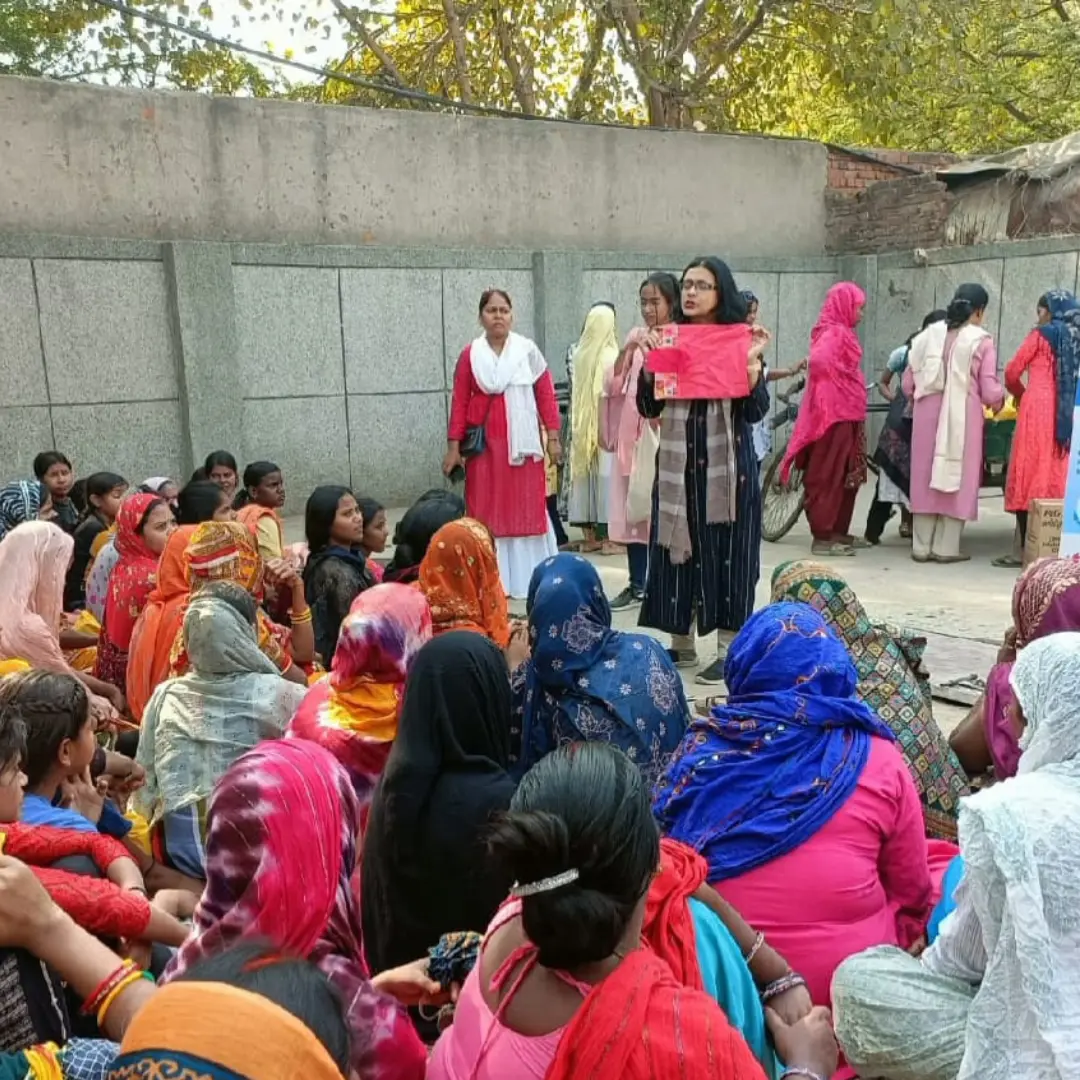
Communities
Closing gaps in menstrual hygiene for women and girls in Trilokpuri, Delhi.
Read the story →
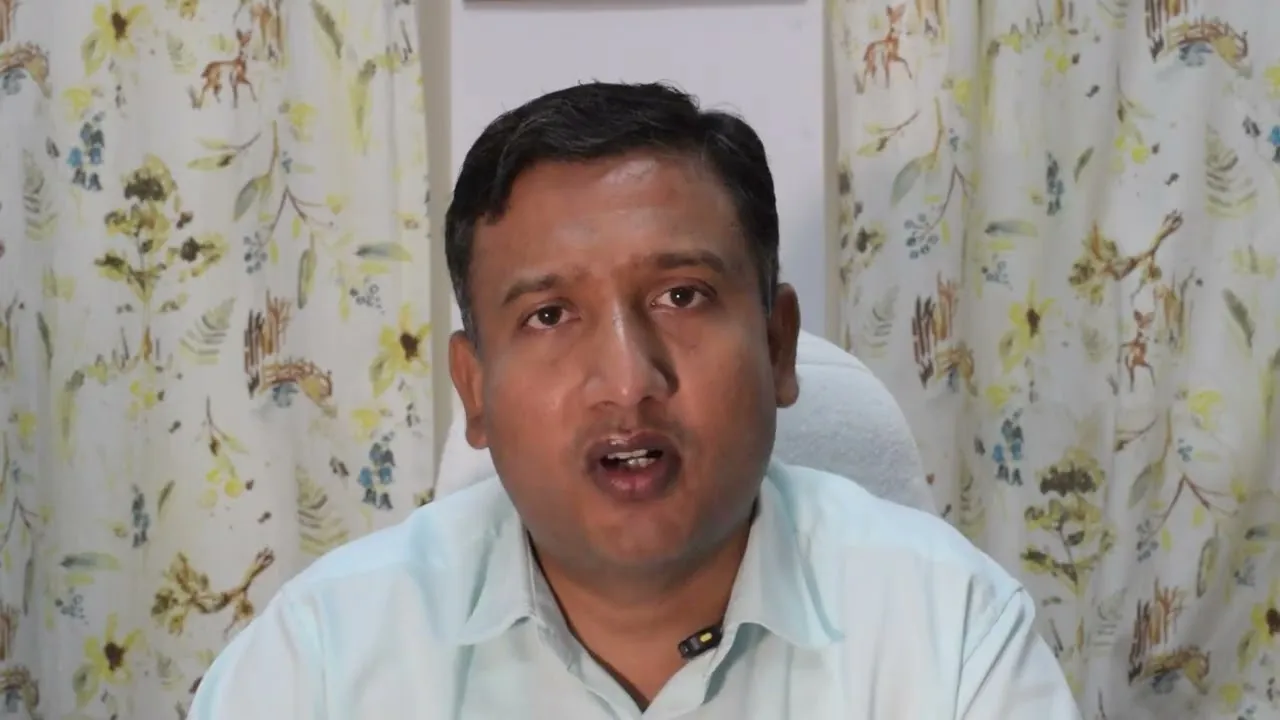
“The attendance level of the girls has increased. In many schools we have clearly seen the results.”Shri Rajarshi Shah, IAS, District Collector, Adilabad, Telangana
Recorded in Adilabad in May 2026, where we ran Nari Samman with Indus Towers.
Schools are the largest part of our work, but they are not all of it.
Indicative costs for our school model. Other programmes are costed to their design.
One girl for a year: her pads, and her share of the school’s programme.
One vending unit with its first stock of pads.
One complete school for a year: machine, pads, sessions, teacher, champions, disposal and monitoring.
Ten schools, reaching about 2,000 girls.
A fifty-school programme.
A hundred-school, district-scale programme.
Each machine reports what was taken and what is left, to a dashboard on your phone.
The machines are a top-up and emergency channel rather than a girl’s whole monthly supply, which is why pad storage cupboard stock and direct distribution run alongside them. The dashboard shows you both.
Every programme is shaped to its place and its partner. The discipline behind it stays the same: written processes, trained people, and a live tracker updated within 48 hours. See how we deliver →
The Nari Samman dashboard, captured 30 August 2026.
Answered here, so your diligence can start before the first meeting rather than after it.
Yes. Pinkishe Foundation holds valid CSR-1, 12AB and 80G registrations and has the track record to act as a CSR implementing agency. We also hold FCRA registration for eligible foreign contributions. Our work fits Schedule VII of the Companies Act under three items: health care and sanitation, including WASH (item i), education (item ii), and gender equality (item iii). Every registration number and certificate is available further down this page.
Yes. Menstrual hygiene is part of WASH: water, sanitation and hygiene. Our part of it is menstrual products, the knowledge to use them, and safe disposal. In Shakti Shala schools, disposal is built into the model. We do not build toilets or water supply ourselves.
Pinkishe has specialised in menstrual health and hygiene for nine years, with over 6,000 menstrual health classes across 25 states and 3 union territories. This is not one programme among many for us; it is our core work.
Doctors sit on our panel. Our Period Bol curriculum and booklets were written for Indian classrooms, in Indian languages, and tested across thousands of sessions. We work with boys, men, teachers and families as well as girls, because a programme that speaks only to girls leaves the silence intact.
District administrations, education departments and school authorities are part of our regular working method rather than something we discover late. With District Education Officers now expected to inspect schools periodically, that relationship matters more than ever. We work alongside government: the district administrations of Adilabad, Komaram Bheem Asifabad, Sakti, Narayanpur, Udham Singh Nagar, Gurugram and Delhi, state and district Departments of Women and Child Development, and the Indian Army, the BSF, the CRPF, the NCC and the Ministry of Culture. District education officers have given us written permission to work in their schools, and schools, the Indian Army and district bodies have written to thank us.
Monitoring, evaluation and learning are built into the programme rather than bolted on at the end. Baselines before we begin, measurement throughout, and honest reporting of what did not work alongside what did. We track attendance, knowledge, product use and community attitude across the life of the project.
We design long-term programmes so that the core systems can continue beyond the grant period: machines maintained, refill chains established, teachers trained and local champions in place. Larger engagements are often designed over multiple years because systems and behaviour change take time to become embedded.
Yes. A Shakti Shala programme can cover 25, 50 or 100 schools, or every government school in a district; the model is the same at every size. You can also fund one part of the model, such as machines and pad supply, education or monitoring, in schools where Shakti Shala runs.
A registered public charitable trust, eligible to implement CSR programmes, with every document open to check.
Everything a CSR committee checks first. Tap any card to open the certificate.
Donations and grants received by Pinkishe Foundation, from its audited accounts.
of total expenses went on administration in FY 2025-26
Every year, a registered social impact assessor, independent of Pinkishe, assesses our work under SEBI's Social Stock Exchange rules.
What others say about our work and our workplace.
Everything your CSR committee will ask for, in one place: our registrations, audited accounts, the independent social impact assessments, a summary of our policies, and the Nari Samman case study. Tell us who you are, and we will send it to you.
We are looking for foundations and philanthropists, in India and abroad, who fund for more than a year. Here is what you can count on.
We are registered under FCRA. Our FCRA returns are certified by our auditor each year, with no violation reported.
A validated organisation on CAF's Global Charity Database, 2025 to 2027.
Shakti Shala runs for three years with the district, so it works best with funding that lasts. This is the support we are seeking.
For your teams
Engagements for your employees, planned with your HR or people team and run by our own team. These are for your people, not CSR spending.
Nothing is sold at our events, and products meant for schoolgirls are never used as prizes.
We reply within two working days.
“If you are exploring a menstrual health programme, large or small, please write to us. We will first try to understand what you are trying to achieve, before we suggest a model.”
You do not need an approved budget or a finalised theme. Most of our partnerships began as an exploratory call. Tell us what you are trying to achieve and we will come back within one working day, with no obligation.
Start a conversation ↓Or write directly to info@pinkishe.org