Pinkishe Foundation

8/11/2026
Every year, 28 May is Menstrual Hygiene Day. Around the world, people use the day to talk openly about periods, and to ask what girls and women still need.
India has made real progress. Among women aged 15 to 24, the use of a hygienic method during the period rose from 57.6% in NFHS-4 (2015-16) to 79.2% in NFHS-6 (2023-24).
But 1 in 5 young women still go without a hygienic method (NFHS-6). In villages, 1 in 4 young women lack safe period products (NFHS-6).
On 30 January 2026, the Supreme Court recognised menstrual health as part of every girl's right to life under Article 21. Its directions cover classes 6 to 12. They include free sanitary pads, vending machines or other set places to get them, safe disposal, toilets with water, awareness for teachers and students, and periodic inspections.
Legal position as of 8 November 2026.
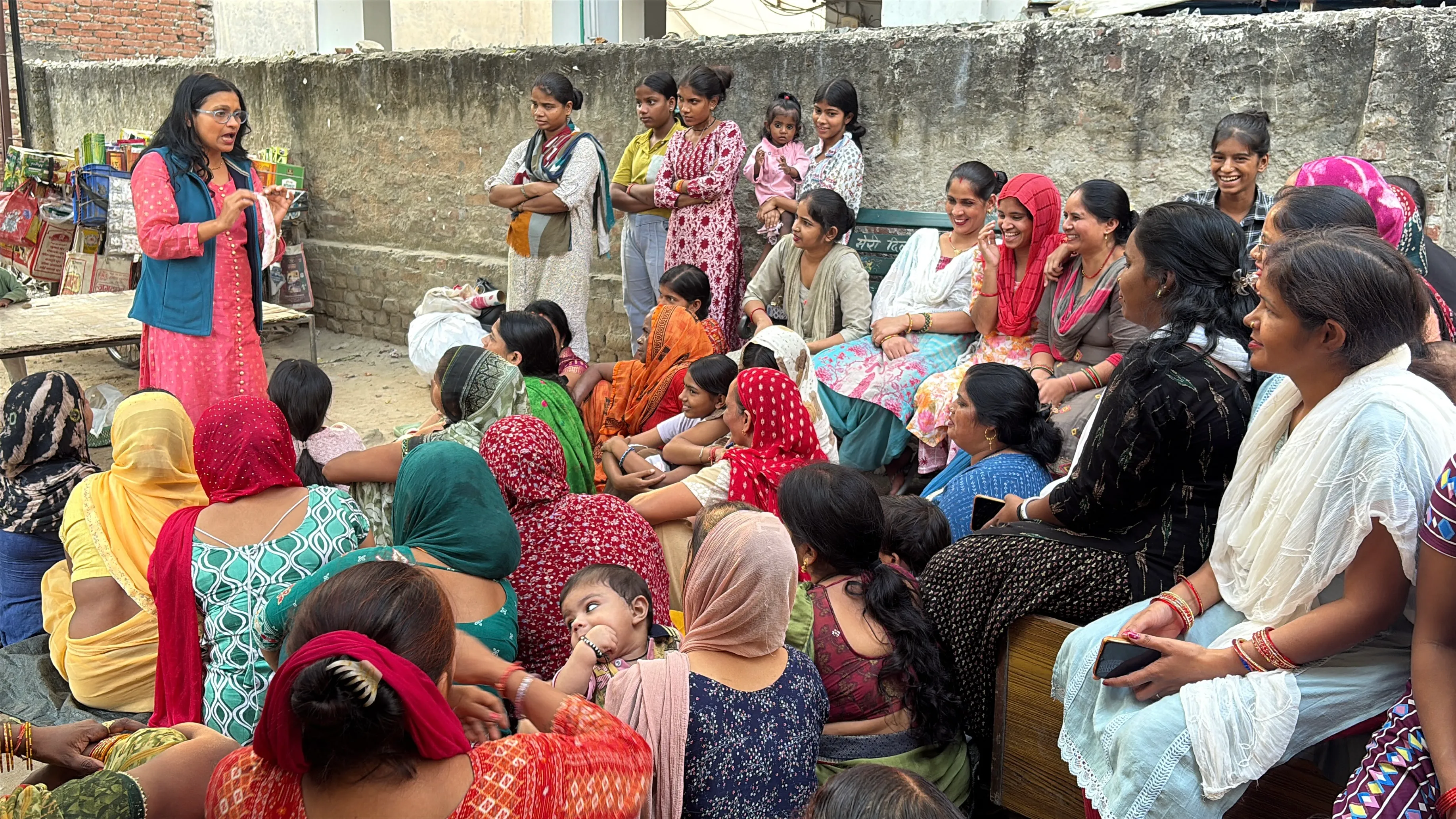
Pinkishe Foundation is a non-profit working on menstrual health since 2017. We work in schools and communities across India, so every girl and woman can manage her period with dignity. We are rated five stars on Google by over 2,400 people.
Choosing where to give? Read our guide, How to choose an NGO to donate to in India.
A simple printable sheet that marks your period days, your fertile window and your ovulation day. We will email it to you now.
We will send the tracker and a few gentle menstrual health emails from Khyati at Pinkishe. No spam, unsubscribe any time.
Prefer to work out your dates now? Open the free ovulation calculatorEvery year on 28 May.
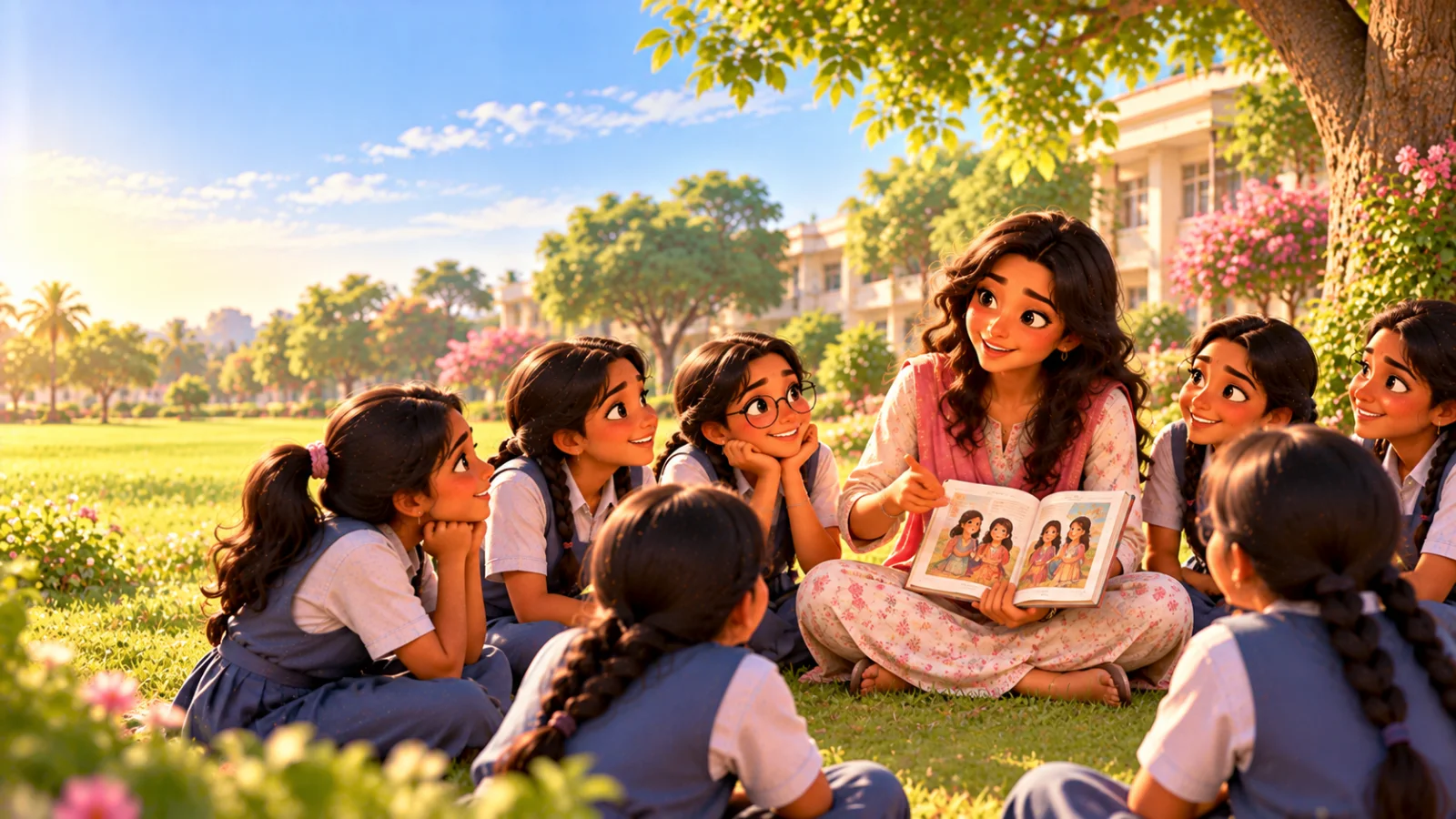
With a short session for girls and boys, a reading of a comic such as The Period Fairy, and a check that the girls' toilet has water, a door that closes and a bin.
Talk openly about periods, and if you can, donate. ₹1,100 covers one girl's menstrual protection, education and support for a year.
₹1,100 gives one girl a year. Donations are eligible for deduction under Section 80G.